
If you’re an online training course creator or a community leader, you understand how challenging it is to interact with your audience, handle discovering materials, and develop meaningful interactions. This typically results in complication, stress, and disengaged participants.
The longer you battle to handle these aspects, the more difficult it ends up being to provide value to your trainees or members. Inevitably, this can cause your community falling apart, affecting your reputation and income.
In this blog post, we will talk about Skool, a system created to make running an online community and delivering programs less complicated than ever before. By integrating social networking with structured understanding, Skool provides a seamless way to keep your members involved, finding out, and connecting.
The most effective component? You do not require a steep discovering curve to start. With Skool, you can foster lively communities, keep track of development, and concentrate on what matters providing value to your target market.
What Is Skool? Circle.So Vs Skool
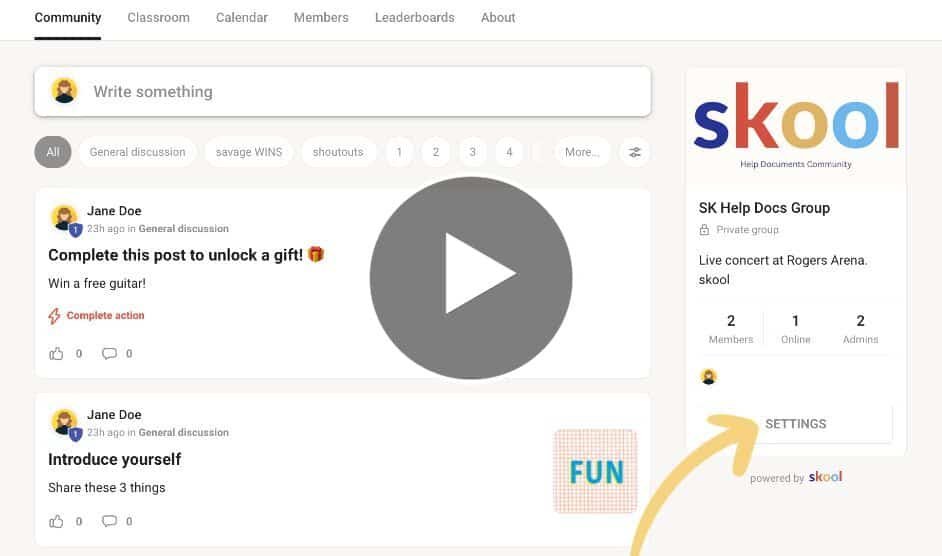
Skool is an all-in-one platform for program designers, coaches, and community builders.
It combines the power of social networking and online learning to produce a vibrant and interactive environment where members can involve with content, interact with one another, and track their progress.
Unlike conventional learning monitoring systems, Skool is developed to feel more like a social media site platform, making it easy for individuals to engage and stay connected.
Who Is Skool Produced For?

Online Course Creators
Skool is perfect for anyone who develops and offers online courses. Course creators frequently encounter the obstacle of engaging their students while delivering educational content properly.
With Skool, creators can quickly host their courses in an arranged fashion, while the community features help cultivate trainee communication, conversation, and collaboration.
The system’s gamification tools also enhance the learning experience by encouraging pupils through rewards and progression tracking.
Coaches and Mentors
Skool provides an area where clients can communicate with each other and with you, the coach. This permits group learning, real-time comments, and continuous conversations beyond one-on-one sessions.
Coaches can hold live sessions, share resources, and create a sense of responsibility within their community. With tools to track customer progression and success, Skool makes it much easier to run group coaching programs, mastermind sessions, and also one-on-one mentoring, all while ensuring customer involvement.
Membership Sites
Membership sites grow on persisting engagement and value distribution. Skool helps membership website proprietors by giving a system that combines content distribution, team communication, and learning components in one location.
Skool’s easy-to-navigate user interface makes sure that your members will keep coming back for more, remaining involved with both your content and the bigger community. Skool’s features aid create a deeper link among members while allowing you to effortlessly take care of the website.
Business owners and Influencers
Skool is well-suited for business owners and influencers that intend to expand and engage their audience through community-based learning. If you have a following and intend to monetize your understanding, Skool permits you to produce paid or free courses while building a flourishing community around your brand.
Influencers can share unique content, host Q&A sessions, and give a deeper degree of interaction with their fans, all in one place. Skool aids you keep engagement while offering value through structured learning and interaction.
Leading Features Circle.So Vs Skool
Community Centric Design
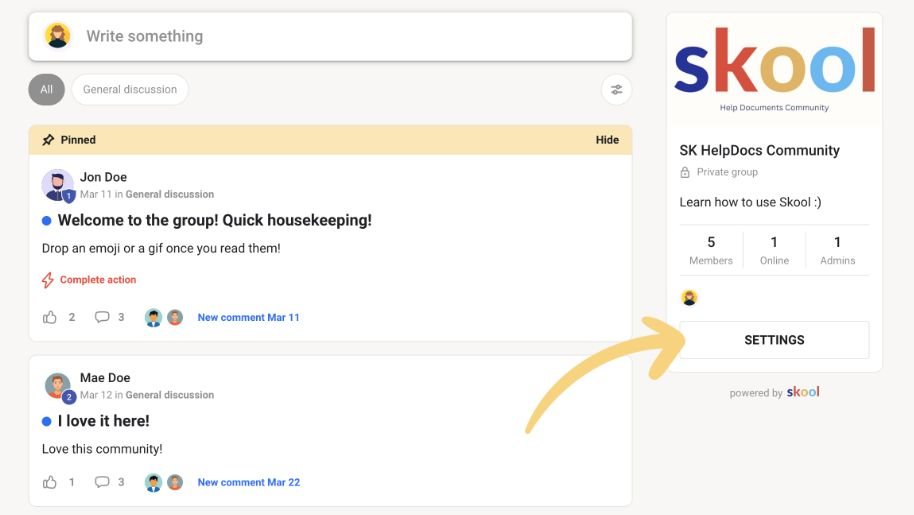
At its core, Skool is developed to be a community-first platform. Unlike typical learning administration systems (LMS) that feel clinical and separated, Skool’s user interface appears like a social media sites feed.
Members can upload updates, talk about discussions, like messages, and engage with each other in real-time. This feature motivates organic communications and promotes a feeling of belonging, bring about greater involvement and retention.
The community feel promotes open dialogue and permits members to contribute to the learning procedure by sharing concepts, experiences, and insights with each other.
Program Hosting and Distribution
Skool uses a smooth and organized means to host programs straight on the system. Program creators can post video clip lessons, documents, quizzes, and other learning materials, all arranged into components for easy access.
Skool’s intuitive drag-and-drop course home builder makes it simple to arrange lessons and jobs. Each training course is nicely set out, allowing members to track their learning progress at a glimpse.
This feature gets rid of the need for different program hosting systems and produces a unified room where learners can access whatever they require.
Gamification and Progress Monitoring

One of the most effective methods to maintain members involved is through gamification, and Skool supplies on this front with a robust system of benefits and acknowledgment. Members gain badges and points based on their participation and learning development, whether it’s completing lessons, adding to conversations, or reaching certain landmarks.
These aspects present an enjoyable, competitive facet to learning, encouraging members to remain active and involved. The progress monitoring control panel allows users to see how far they have actually come, and it produces a sense of success that drives them to complete more jobs and lessons.
Analytics Tools Circle.So Vs Skool
Skool provides effective admin tools that allow community supervisors and course creators to easily manage their members and content. Admins can regulate discussions, grant access to specific locations, and set up custom policies for involvement.
One of the standout features is Skool’s analytics, which offers thorough insights into individual habits and course progression. You can track which lessons are most prominent, see who’s proactively engaging, and determine locations where members could be having a hard time.
This data assists you fine-tune your training courses, make changes, and deal individualized assistance to your community members.
Easy User interface
Skool’s interface is deliberately made to be minimalistic and simple to navigate. The clean format makes sure that individuals are not bewildered by complicated food selections or unnecessary features.
Everything from signing up with a community to accessing course products is straightforward, which lowers friction and assists individuals concentrate on the content. This simpleness likewise benefits managers, as taking care of the platform requires little to no technical experience.
The intuitive design suggests that you and your members can invest much less time determining the platform and more time learning and interacting.
Device Friendly
In today’s world, having the ability to access systems on-the-go is necessary, and Skool masters offering a mobile-responsive experience. Whether on a desktop, tablet, or smart device, individuals can access Skool’s complete functionality without losing any features.
The mobile-friendly layout makes sure that members can join discussions, total lessons, or examine their progression from anywhere, at any time.
This adaptability improves engagement by enabling members to stay linked also when they’re away from their computer system, making it easier to fit learning and community communication into their hectic schedules.
Group Chat and Discussions
Skool gives integrated team chat and discussion online forums that are main to cultivating community interaction. Each training course or community team has its very own room for members to discuss subjects, ask inquiries, and work together on tasks.
These conversations can be arranged into threads, making it very easy for members to comply with conversations and take part in significant exchanges. This feature helps transform easy learning into active interaction, as members can review what they’re learning, share insights, and assistance one another’s growth.
Group chats also promote networking and relationship-building, which is crucial for long-term community success.
Getting Started With Skool

Register and Create Your Account
To get started, visit the Skool internet site and subscribe by providing your email address and fundamental info. After registering, you’ll be prompted to develop your profile, which includes your name, profile photo, and any other relevant details you would love to share with the community.
As a new individual, this profile will certainly show up to others in the community, allowing for personal interaction.
Create a Community
Skool is built around communities, so the next action is either joining an existing community or producing your very own. If you’re signing up with a community, you might obtain a welcome or locate public communities that align with your interests.
When producing your own community, you’ll require to set up a name, description, and regulations for the group. You can also customize the community’s setups, consisting of whether it’s public, personal, or limited to paid members.
This makes Skool versatile to various requirements, whether it’s for an exclusive training group or a public learning community.
Establish Courses
If you’re using Skool to host online courses, the next action is to produce and organize your content. Skool provides a basic drag-and-drop interface for developing programs.
Start by including your training course components, after that upload video clip lessons, documents, quizzes, or any other type of content you intend to provide. You can structure your course into areas, making it very easy for students to browse and follow a logical learning path.
For each lesson, you have the choice to add completion criteria, track student development, and deal downloadable resources. Skool additionally allows you to drip-feed content, indicating you can release lessons with time rather than simultaneously, motivating students to remain engaged for longer. Circle.So Vs Skool
Take Part In Community Discussions
Once you belong to a Skool community, either as a trainee or a training course developer, the community discussion boards will end up being an important part of your experience. In these discussion boards, you can publish questions, share ideas, and engage with other members.
It works likewise to social networks, where you can “such as” blog posts, remark, and tag others in conversations. For course creators, community conversations supply a method to involve with trainees beyond official lessons, answer concerns, and offer added support.
Skool’s team chat and discussion forums are where the actual feeling of community takes place. You can produce threads on particular topics, participate in Q&A sessions, and pick up from both peers and trainers. Energetic participation here can enhance your learning experience and enable you to build relationships with other members.
Track Your Development
Skool has integrated development monitoring for both students and teachers. As a learner, you can quickly see which lessons you’ve completed and what’s still pending. The platform gamifies learning by granting badges, factors, and progression bars, inspiring you to remain engaged and complete the course.
For course creators, the analytics dashboard shows you how your students are proceeding. You can see which lessons are most interesting, how many members are completing your course, and where they may be getting stuck.
Advantages Circle.So Vs Skool

Combines Community and Learning
Among Skool’s largest advantages is its capacity to combine community interaction with training course shipment. Numerous systems different learning from conversations, which can result in a fragmented experience.
With Skool, pupils do not have to toggle between different systems for lessons and community communication. Every little thing is incorporated into one room, allowing learners to view course video clips, participate in conversations, ask inquiries, and connect with other members– all within the very same user interface.
This unified experience fosters a more powerful sense of community, promotes cooperation, and enhances interaction levels across the board.
Simplified Customer Experience
Skool’s tidy and minimalist layout is user-friendly and removes the complexity usually related to learning administration systems. You don’t require technological expertise to set up your program or involve with the community.
Learners can access content and take part in discussions without being overwhelmed by difficult features. This simplicity reduces the learning curve, making it possible for individuals to focus on what truly matters learning and involving with others.
This convenience of use likewise means less time invested repairing and more time building useful partnerships within your community.
Boosts Involvement and Retention
Skool leverages gamification to keep learners encouraged and involved. With features like points, badges, and leaderboards, the system presents a competitive but enjoyable atmosphere where customers are awarded for involvement.
Whether it’s completing a lesson, contributing to discussions, or helping others with their questions, customers gain recognition for their efforts. This gamified technique fosters healthy competition among students, encourages regular involvement, and helps in reducing drop-off rates.
Gamification likewise gives individuals a sense of accomplishment, encouraging them to advance through the content and remain energetic in the community, which ultimately causes higher retention rates.
Mobile Availability for Learning
Skool’s mobile-friendly platform makes sure that users can remain linked and involved despite where they are. Whether you’re a hectic professional or a student on the move, you can access Skool from your smartphone or tablet and appreciate the same seamless experience as you would on a desktop computer.
This flexibility allows students to join conversations, view course content, and examine their progression while commuting, traveling, or during breaks. For program creators, this indicates greater interaction from members that can keep up with the community also when they’re away from their desk.
The benefit of mobile access improves the general individual experience and helps learners integrate their studies into their everyday regimens more easily.
Streamlined Management
For program creators and community managers, Skool streamlines the management procedure with a suite of integrated tools. The platform provides an effective set of admin features, including the ability to moderate discussions, handle program content, track user development, and monitor community involvement.
These tools provide important insights into how trainees are connecting with the content and the community, helping managers make data-driven choices. In addition, Skool’s money making features make it simple to establish paid memberships and course access, removing the need for third-party repayment systems.
The all-in-one nature of Skool suggests much less time managing logistics and more time focusing on creating beneficial content for your learners.
Skool Price Information
Free Trial
Skool offers a totally free trial, enabling individuals to discover the system and its features prior to devoting.
Criterion Plan
At $99 each month, the Standard Plan includes community features, training course hosting, and gamification tools. This is excellent for little to mid-sized communities.
Custom-made Plan
For bigger companies or those requiring extra customization, Skool supplies a tailored pricing design. The Custom-made Plan consists of advanced features and tailored support to match your demands.
Verdict

If you’re wanting to streamline program monitoring, boost community involvement, and enhance learning, Skool is a powerful service that can assist.
Its straightforward layout, combined with social network features, makes it less complicated to connect, learn, and grow. Circle.So Vs Skool
Whether you’re a knowledgeable course maker or simply starting, Skool uses the tools you need to develop prospering, interactive communities.
Don’t wait any longer, give Skool a try today and see how it can change the way you involve with your audience.